Beyond Ghosting: The Psychological Framework for Resilience in Modern Dating

Mario Sanchez
Jan 3, 2026
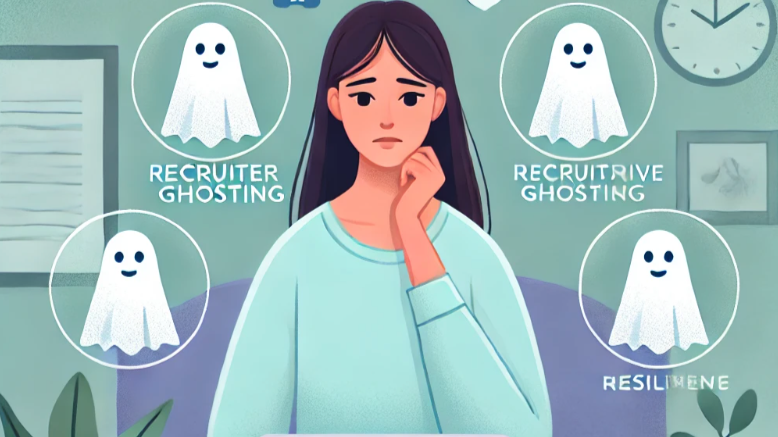
The sudden silence he “Ghosting”s the modern equivalent of an unexpected door slam. In the rewards economy, we talk about “exit strategies” for underperforming investments; in modern dating, ghosting has become the most common, low-cost exit strategy for participants.
If you are basing your self-worth on whether someone replies to your text, you are operating with an insecure asset-management strategy. To thrive in 2026 dating, you must reframe ghosting from a “personal rejection” to a “systemic signal.”
The Psychology of the “Low-Cost Exit”
Why do people ghost? It is rarely about you. It is about Cognitive Load Management.
In an environment where a user may be managing 5—?0 concurrent conversations, the cognitive cost of initiating a “break-up” conversation (even early on) is high. It requires empathy, time, and potential conflict. Ghosting, conversely, is a zero-cost, instant exit.
The Insider Insight: When you are ghosted, you are not experiencing a rejection of your personhood; you are experiencing the efficiency of an app-driven culture that incentivizes the avoidance of discomfort.
The Resilience Framework: How to Build Your Fortress
To avoid the mental drain of ghosting, you must decouple your identity from the platform—檚 interactions.
1. Identity Compartmentalization
Do not invest your “Primary Identity” (your sense of self, your professional confidence, your worth) into a “Research Identity” (your dating app profile).
- The Strategy: Treat the dating app as an experimental space. If the experiment fails, it does not mean the scientist is incompetent; it means the data was inconclusive.
2. The “Exit Velocity” Protocol
The longer you dwell on a silence, the more psychological power you cede to the other person.
- The Protocol: If you receive no response after a follow-up, do not “double-text” to seek closure. Closure is a self-generated internal state, not something granted by others.
- The Action: Unmatch, delete the thread, and allocate that mental energy toward a new high-intent interaction. Treat silence as a definitive “No” and move your resources immediately.
3. Redefining Value: The “Anti-Fragile” Mindset
Ghosting is a filtering tool. If someone cannot communicate clearly, they have saved you months of emotional labor.
- The Reframe: Ghosting is a fast-track filter. You wanted to know if they were communicative and respectful? They just showed you they weren’t. You should be thanking them for the efficiency.
Adversarial Thinking: When Silence is a Signal
Sometimes, ghosting is a leading indicator of underlying issues that you—檝e successfully dodged:
- Conflict Avoidance: An inability to communicate a disinterest suggests a deeper struggle with accountability.
- Emotional Availability: People who ghost often lack the emotional maturity to manage the highs and lows of a real relationship.
Final Verdict: Maintaining Your Sovereignty
Your value is constant. If an app-based interaction disappears, your baseline value remains unchanged. Resilience in modern dating isn’t about becoming “numb” to rejection; it’s about maintaining your sovereignty over your own emotional capital.
Do not allow an external algorithm or a person—檚 lack of communication skills to dictate your internal state. You are the architect of your own dating portfolio—攌eep it diversified, keep it professional, and keep moving.
Build your dating resilience and reclaim your agency.
--- ---Affiliate Disclosure
Some of the links in this article are affiliate links, meaning we may earn a commission if you make a purchase at no additional cost to you. We only recommend products or services we believe will add value to our readers.

About Mario Sanchez
Mario focuses on practical social communication guides and relationship habits that readers can apply in everyday life.